top of page

defining the problem
COVID-19 has undeniably upturned our lives. Among many other things, it has also affected the way we work. Even as things are now beginning to settle, one thing is clear: we are not returning to the same workplaces we left.
A new normal is at hand—many companies have begun adopting the concept of a hybrid office environment.
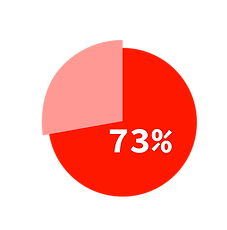
By 2028,
73%
of all departments are expected to have remote workers.
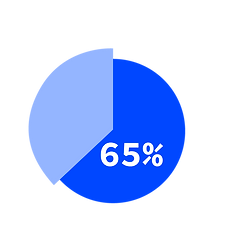
65%
of workers feel less connected with their coworkers and leaders than they did before the pandemic.
The three biggest challenges associated with remote work are:
1. Unplugging after work (22%)
2. Loneliness (19%)
3. Communication (17%)
One of the dangers remote work poses to teams is that in a virtual environment, our interactions tend to be all business. Though efficient, it can also be lonely.
Studies show that small interactions (i.e. at the beginning of phone calls and video conferences) to just check in on coworkers trigger the release of oxytocin, a chemical key to social attachment and building trust between individuals.
The Singapore National Employers Federation’s executive director advised companies against reverting to pre-pandemic work conditions.

Research Findings

-
According to RGF International Recruitment, 61% of Singaporean employees intend to continue flexible work beyond the pandemic, with 65% considering it a key factor for work-life harmony.
-
A Straits Times survey also found that 8 in 10 workers prefer flexible working arrangements.
-
The Business Times reports that a whopping 88% of workers in Asia-Pacific favor hybrid work, while 82% of global companies intend to retain a hybrid workforce even after the pandemic, and nearly half (47%) will allow employees to work remotely full-time.
-
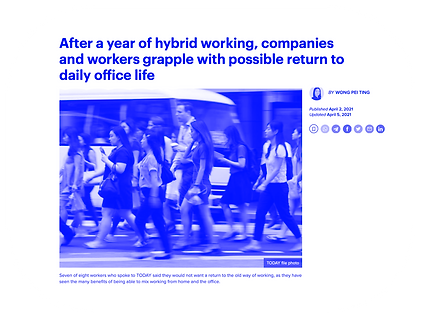
7 out of 8 workers who spoke to TODAY said they would not want a return to the old way of working, as they have seen the many benefits of being able to mix working from home and the office
8 out of 15 firms that TODAY spoke to said they are formally making hybrid work arrangements the new norm, while the rest would not confirm whether they would allow such arrangements to continue permanently
Chairman of PriceWaterhouseCouuper, Kelvin Ellis said that allowing employees around the world to work from home a couple of days a week and start as early or late as they like. This lets workers feel “trusted and empowered”.
-
On the flipside, many workers have reported that working from home has led to burnout, as the boundaries between work and life have blurred so much
Our research boiled down to one key issue:
The lack of human connection in a hybrid working environment.
bottom of page